
|
|
|
Printing
Date |
2017-01-04 16:32:49
JST |
Restriction
of specific regulatory purposes | |
Confidentiality
| |
|
Name
|
1,3,5-triazine-2,4,6(1H,3H,5H)-trithione
|
|
Legal
entity owner |
National Institute of
Health Sciences / Tokyo / Japan |
|
UUID
|
IUC5-80e43b49-60cb-49c6-87bc-4abf9b428515
| |
|
Dossier
UUID |
0
| |
|
Author
|
dra /
National Institute of Health Sciences / Tokyo / Japan | |
|
Date
|
2017-01-04
16:32:27 JST | |
|
Remarks
|
|
Chemical
name |
1,3,5-triazine-2,4,6(1H,3H,5H)-trithione
|
|
Legal
entity |
|
|||||||||||||
|
UUID
|
IUC5-ee8931c1-a3d9-42f4-b95f-e4564603c53f
| |
|
Dossier
UUID |
0
| |
|
Author
|
dra /
National Institute of Health Sciences / Tokyo / Japan | |
|
Date
|
2017-01-04
16:29:25 JST | |
|
Remarks
|
|
Purpose
flag |
key study
| ||
|
Study
result type |
experimental result
|
||
|
Reliability
|
1
(reliable without restriction) | ||
|
Rationale
for reliability incl. deficiencies |
OECD Test
Guideline study under GLP condition | ||
|
Reference
type |
Author
|
Year
|
Title
|
Bibliographic
source |
Testing
laboratory |
Report
no. |
Owner
company |
Company
study no. |
Report
date |
|
study report |
MHW (Ministry of Health and Welfare), Japan |
2007 |
Single Dose Oral Toxicity Test of Trithiocyanuric Acid in Rats
|
Japan Existing Chemical Data Base (JECDB) |
Food and Drug Safety Center |
A-04-074 |
data published |
acute toxic class method
|
no |
|
Qualifier
|
Guideline
|
Deviations
|
|
according to |
OECD Guideline 423 (Acute Oral toxicity - Acute Toxic Class Method)
|
no |
|
according to |
other guideline: Yakushoku-hatsu 1121003, Kanpoki-hatsu 031121004
|
yes |
yes |
|
Identifier
|
Identity
|
|
CAS number |
638-16-4 |
- Name of test material (as cited in study report):
Trithiocyanuric acid - CAS No.: 638-16-4 - Molecular formula: C3H3N3S3 - Molecular weight: 177.27 - Purity: 99.8% (HPLC) - Impurities: 0.13% sulfur - Physical state: Slightly pale yellow powder - Melting point: >300°C - Boiling point, specific gravity, partition coefficient, vapor pressure: No data - Solubility: Sparingly soluble in water, slightly soluble in methanol, acetone, and dioxane, and soluble in cellosolve and THF - Stability: The stable to normal handling - Supplier: Kawaguchi Chemical Industry Co., Ltd. - Lot No.: 407518 - Storage condition until use: Room temperature |
rat |
other: Crj: CD(SD), SPF |
female |
TEST ANIMALS - Source: Charles River Japan Inc. - Age at the time of purchase: 7 weeks old - Weight at dosing: 186.2 – 202.4 g (1st dosing) , 204.2-219.6 g (2nd dosing), 227.2-242.2 g (3rd dosing) – Used animal number: A total of 18 females - Fasting period before study: Approximately 16 hrs - Housing: One animal/cage - Diet (e.g. ad libitum): Ad libitum except fasting period for 16 hrs before dosing to 3 hrs after dosing - Water (e.g. ad libitum): Ad libitum - Acclimation period: 8 days. ENVIRONMENTAL CONDITIONS - Temperature (°C): 23.0 – 24.5 - Humidity (%): 49.0 – 59.0 - Ventilation (per hr): Approximately 15 times - Photoperiod (hrs light / hrs dark): 12/12 |
oral: gavage |
other: sodium carboxymethyl cellulose
|
Concentration in vehicle: 0.05, 0.5, 3, and 20% (w/v).
|
300 mg/kg bw (first and second dosing) 2000 mg/kg bw (third dosing) |
First and second dosing (first purchase): each 3 females
(animal ID No. 1 – 3 and 4 - 6)/300 mg/kg bw dose Third dosing (second purchase): 3 females (animal ID No. 7 – 9) /2000 mg/kg bw dose |
no |
- Duration of observation period following dosing: 14
days - Frequency of observations: Before dosing, Day 1 (day of dosing): Continuously observed until 1 hr, thereafter, every one hour until 6 hours. After day 2: once a day - Frequency of weighing: Just before dosing ( Day 1), Day 2, 4, 8, 11, and 15. And when the dead animals found - Necropsy of survivors performed: Yes |
No |
|
Sex
|
Endpoint
|
Effect
level |
Based on
|
95%
CL |
Remarks
|
|
female |
LD50 |
> 300 — 2000 mg/kg bw |
act. ingr. |
||
|
female |
LD50 |
500 mg/kg bw |
act. ingr. |
Cut off value |
No deaths were observed from first and second dosing
(300 mg/kg bw). All 3 animals died in 2000 mg/kg bw group (third dosing).
|
One animal received 2000 mg/kg bw of the test substance
showed creeping, lid closure, lateral position and dyspnea and died at
approximately 2 hours from the dosing. Smudge of perinasal area, listless
and reduction o(defecation were observed in two other animals, and these
animals died within 3 or 4 day from the dosing.
|
No changes related to the test substance were observed
in the 300 mg/kg bw groups. A decrease in body weight was observed in all
the animals treated with 2000 mg/kg bw. |
At necropsy, while no marked abnormalities were observed
in the animals treated with 300 mg/kg bw, enlargements of the kidney and
the adrenal gland, and atrophy of the spleen were observed in two animals
died on Day 3 or 4 of the observation period with 2,000 mg/kg bw.
White-colored liquid in the stomach was observed in two animals died at 2
hours and 3 days after dosing. |
- Organ weights: No data - Histopathology: No lesions attributable to the test substance were observed in the 300 mg/kg bw groups. In histological examination, all the animals treated with 2000 mg/kg bw showed necrosis and degenerations of the proximal tubular epithelium and the glomerulus of the renal cortex, and two animals showed a decrease in the area of white pulp of the spleen. - Potential target organs: Kidneys - Other observations: No data |
The LD50 value was 300 – 2000 mg/kg bw , and the cut off
LD50 value was 500 mg/kg bw for female rats.
|
|
UUID
|
IUC5-dcf7dfcd-9eeb-434e-bda2-c5418425112e
| |
|
Dossier
UUID |
0
| |
|
Author
|
dra /
National Institute of Health Sciences / Tokyo / Japan | |
|
Date
|
2017-01-04
16:29:34 JST | |
|
Remarks
|
|
Purpose
flag |
key study
| ||
|
Study
result type |
experimental result
|
||
|
Reliability
|
1
(reliable without restriction) | ||
|
Rationale
for reliability incl. deficiencies |
OECD Test
Guideline study under GLP condition | ||
|
Reference
type |
Author
|
Year
|
Title
|
Bibliographic
source |
Testing
laboratory |
Report
no. |
Owner
company |
Company
study no. |
Report
date |
|
study report |
MHW (Ministry of Health and Welfare), Japan |
2007 |
A combined repeated-dose/reproductive-developmental toxicity study of
trithiocyanuric acid by oral dosing in rats. |
Japan Existing Chemical Data Base (JECDB) |
Food and Drug Safety Center |
R-04-007 |
data published |
7.8.1 Toxicity to reproduction: Toxicity to
reproduction.001 |
combined repeated dose and reproduction / developmental
screening |
no |
|
Qualifier
|
Guideline
|
Deviations
|
|
according to |
OECD Guideline 422 (Combined Repeated Dose Toxicity Study with the
Reproduction / Developmental Toxicity Screening Test) |
no |
yes |
yes |
|
Identifier
|
Identity
|
|
CAS number |
638-16-4 |
- Name of test material (as cited in study report):
Trithiocyanuric acid - CAS No.: 638-16-4 - Molecular formula: C3H3N3S3 - Molecular weight: 177.27 - Purity: 99.8% (HPLC) - Impurities: 0.13% sulfur - Physical state: Slightly pale yellow powder - Melting point: >300°C - Boiling point, specific gravity, partition coefficient, vapor pressure: No data - Solubility: Sparingly soluble in water, slightly soluble in methanol, acetone, and dioxane, and soluble in cellosolve and THF - Stability: The stable to normal handling - Supplier: Kawaguchi Chemical Industry Co., Ltd. - Lot No.: 407518 - Storage condition until use: Room temperature |
rat |
other: Crj: CD(SD), SPF |
male/female |
TEST ANIMALS - Source: Atsugi Breeding Center, Charles River Laboratories Japan, Inc. - Age at study initiation: 8 weeks of age - Weight at study initiation: 355.5 – 405.2 g for males and 208.7 – 255.0 g for females - Housing: bracket-type metallic wire-mesh cages (W 220 × D 270 × H 190 mm) - Diet (e.g. ad libitum): ad libitum - Water (e.g. ad libitum): ad libitum - Acclimation period: 14 days ENVIRONMENTAL CONDITIONS - Temperature (°C): 22.5 to 26.0°C - Humidity (%): 50.0 to 65.0% - Air changes (per hr): 15 times per hour - Photoperiod (hrs dark / hrs light):12-hour lighting per day |
oral: gavage |
other: sodium carboxymethyl cellulose
|
PREPARATION OF DOSING SOLUTIONS: Test substance was
dissolved in corn oil for injection. VEHICLE - Justification for use and choice of vehicle: No data - Amount of vehicle (if gavage): 5 ml/kg bw - Supplier: Maruishi pharmaceutical industry Co., Ltd. - Lot/batch no. (if required): 4720 - Dosing volume: 5 mL/kg - Stability (test solutions): For 8 days - Storage condition of test solution: Stored in a dark place with room temperature |
yes |
Test suspensions at each concentration (20 and 0.05
w/v%) of initial and final preparations were analyzed by the HPLC method
at Hatano laboratory of Food and Drug Safety Center. Results showed that
the concentration of the test article in each concentration was 94.3 to
101% of the nominal concentration. |
(P) Males: 42 days including 14 days pre-mating
(P)Females: Days including 14 days pre-mating, mating and gestation
periods and the days until day 4 of lactation Female (no mating, satellite
group): for 42 days |
Daily: 7 times / week |
0 (vehicle), 62.5, 125 and 250 mg/kg bw/day | |
Basis
|
actual ingested |
12/sex/dose (main group), and 5 females/dose at 0 and
250 mg/kg bw/day (satellite group) |
yes, concurrent vehicle |
- Dose selection rationale: A preliminary study (study
No. R-04-006) was conducted to determine the doses to be employed. Male
and female rats were receiving 0, 250, 500, and 1000 mg/kg bw/day for 14
days. As a result, red colored urine was observed in more than half
numbers of rats receiving 1000 mg/kg bw/day groups and all animals died in
the 1000 mg/kg bw/day groups until Day 7. Black path zones of auricle and
dark purple colored tail top were observed in the 500 mg/kg bw/day groups
from Week 2, and moreover, one female sowing red colored urine,
salivation, wasting and sedation were moribund . Body weight gains were
depressed in male rats receiving 500 mg/kg bw/day at Week 2, and swelling
of the spleen was observed at necropsy. No changes related to the test
substance were observed in males receiving 250 mg/kg bw/day. From the
results of the preliminary study, 500 mg/kg bw/day seemed to be the
maximum tolerance dose for 14 days. Therefore, the high dose was set at
250 mg/kg bw/day for the main study, and the middle and low doses were set
at 125 and 62.5 mg/kg bw/day using common ratio 2.
|
no |
CAGE SIDE OBSERVATIONS: Yes - Time schedule: Males and females: once before the start of dosing, two times/day during the dosing period, and once during the recovery period DETAILED CLINICAL OBSERVATIONS: Yes - Time schedule: Male animals: the end of acclimation period, Day 7, 14, 21, 28, 35 and 42 during the dosing and Day 7 and 14 during the recovery period. Female animals: the end of acclimation period, Day 7, 14, 21, 28, 35 and 42 during the dosing, Day 0 at delivery period and Day 0 from 4 at delivery animals, and Day 7 and 14 of satellite groups during the recovery period. Test items are following: Body position, locomotor activity, vocalization, tremor, convulsion by cage side observation, ease of removing rat from cage, reactivity to being handled, heart rate, body temperature, fur, skin color, visible mucosa color, lacrimation, exophthalmos ophthalmocele, pupillary, and salivation by terminology for removing rat from cage, and body position, walking, grooming, phonation, straub tail, gait, stereotyped, abnormal behavior, tremor, convulsion, piloerection, and ophthalmorrhexis by observation of behavior on the working table. FANCTIONAL OBSERVATION: Yes - Time schedule: End of the dosing period: male, female (dam), and female (satellite group) animals. End of the dosing period: male and female (satellite group) animals. Test items are following: Prayer’s reaction, pupillary reflex, visual placing, startle reaction, withdrawal reflex, eyelid reflex, and righting reflex. BODY WEIGHT: Yes Males in the main and females in satellite groups were weighed on Day 1, 7, 14, 21, 28, 35 and 42 of dosing, and Day 1, 7, and 15 (necropsy day) at the end of the recovery period. Females were weighed on Day 1, 7, 14, and 21 until successful copulation. Copulated females were weighed on Day 0, 7, 14 and 20 of gestation, days 0 and 4 of lactation, and the necropsy day. FOOD CONSUMPTION : Yes - Food consumption (g/day/rat) for each animal determined from the difference of the of the previous day's feeding amount: Yes Measurement of food consumption was conducted on all animals at the following frequencies: Males and females in the satellite groups: on Day 1-2, 7-8, 14-15, 29-30, 35-36, and 41-42 during the dosing period and Day 6-7 and 13-14 during the recovery period. Females in the main groups: on Day 1-2, 7-8, and 14-15 (before mating), on Day 0-1, 7-8, 14-15, and 20-21 (the gestation period). On Day 3-4 (the lactation period). FOOD INTAKE: No HAEMATOLOGY: Yes - Time schedule for collection of blood: On Day 43 of the dosing period and Day 15 of the recovery period in males. On Day 5 of the lactation period (main group) and on Day 15 of the recovery period (satellite group) in females. - Anaesthetic used for blood collection: Yes (pentobarbital sodium) - Animals fasted: Yes (for 18-22 hours) - How many animals: 5 animals/sex/group - Parameters examined red blood cell count, hemoglobin, hematocrit, mean corpuscular volume, mean corpuscular hemoglobin, mean corpuscular hemoglobin concentration, reticulocyte count, platelet count, white blood cell count, differential white blood cell count, prothrombin time, activated partial thromboplastin time CLINICAL CHEMISTRY: Yes - Time schedule for collection of blood: Same as hematology examination. - Animals fasted: Yes (for 18-22 hours) - How many animals: 5 animals/sex/group - Parameters checked: ASAT (GOT), ALAT (GPT), γ-GT, ALP, total bilirubin, blood urea nitrogen, creatinine, glucose, total cholesterol, triglyceride, total protein, albumin, A/G ratio, calcium, inorganic phosphorus, sodium, potassium, chloride URINALYSIS OF MALES: Yes - Time schedule for collection of urine: Five males on Day 33 during the dosing period and all animals on Day 13 during the recovery period. Five females on Day 34 (main group). All animals on Day 34 during the dosing period and Day 13 during the recovery period (satellite group). - Metabolism cages used for collection of urine: Yes - Animals fasted: Yes - Parameters checked: color, muddy, pH, occult blood, protein, glucose, ketones. bilirubin, urobilinogen, and sediments BLOOD HORMONE: No NEUROBEHAVIOURAL EXAMINATION: Yes Detailed clinical observation: on Day 7, 14, 21, 28, 35, and 42 of the dosing period, on Day 7 and 14 of the recovery period, Functions test: on Day 42 of the dosing period and on Day 14 of the recovery period (males and satellite group females). On Day 4 of the lactation period (main group females). |
GROSS PATHOLOGY AND ORGAN WEIGHTS:Yes Brain, heart,
liver, kidneys, adrenals, thymus, spleen, testes, and
epididymis. HISTOPATHOLOGY: Yes Brain, puitality, thymus, lymph nodes (including mesenteric and mandibular lymph nodes), trachea, lung (including bronchus), stomach, intestinal tract (duodenum, jejunum, ileum, cecum, colon, rectum), thyroids, heart, liver, spleen, kidneys, adrenals, urinary bladder, testes, epididymis, seminal vesicles (including the coagulating gland), prostate (ventral lobe), ovaries, uterus, vagina, bone marrow (one side femur), sciatic nerve (one side femur), spinal cord, and gross abnormalities site. |
Changes in estrous cyclicity and conception rate were
analyzed by Fisher’s test. Graded pathological data was analyzed by
Mann-Whitney’s U test (significance level = 0.05) and pathological data
with number of positive and negative animals was analyzed by one-sided
Fisher’s test. Other data, obtained values in each animal or mean of a litter was one data, and these data were compared among the satellite groups and other among the groups. These data were analyzed using F-test for homogeneity of distribution. The Student’s t-test and the Aspin-Welch’s t-test were conducted for homogenous and non-homogenous distribution, respectively to compare the control and individual treatment groups. Three or more groups setting, these data were analyzed using Bartlett’s test for homogeneity of distribution. The Dunnett’s multiple comparison test after the ANOVA and the Dunnett’s-type mean rank sum test after Kruskal-Wallis’s H test were conducted for homogenous and non-homogenous distribution, respectively to compare the control and individual treatment groups. Significance level was set at 0.05 compared with the control group and among the groups. |
|
Endpoint
|
Effect
level |
Based on
|
Sex
|
Basis
for effect level / Remarks |
|
LOAEL |
62.5 mg/kg bw/day (actual dose received) |
test mat. |
male/female |
Effects of lesions in the deposit of pigment in proximal tubule in
kidneys and diffuse hypertrophy in adrenals in males and females receiving
62.5 mg/kg bw/day or more groups. |
yes |
yes |
yes |
yes |
yes |
yes |
yes |
yes |
yes |
CLINICAL SIGNS AND MORTALITY: Mortality: One male and
one female died in the 250 mg/kg bw/day group on Day 8 and Day 42,
respectively. Clinical signs: Incomplete eyelid opening and emaciation
were observed in one dead female receiving 250 mg/kg bw/day, but no
clinical sign was observed in one dead male receiving 250 mg/kg bw/day.
The followings were observed in the 250 mg/kg bw/day groups: black area of
the pinna in one male and three females, dark purple distally of the tail
in two males, nodule of the tail in four males and one female, nodule of
the pinna and emaciation in one male and one female, anemic in one male,
induction of the scrotum in one male, nodule of the scrotum in three
males, swelling of the left forelimb in one male, and crust formation of
the snout in one female. Reddish urine was observed in one male receiving
125 mg/kg bw/day and three males and one female receiving 250 mg/kg bw/day
groups. Sporadically salivation just after dosing was observed in six
males receiving 125 mg/kg bw/day and eight males and 10 females receiving
250 mg/kg bw/day groups. Loss of fur was observed in two males in the
control group, one male and one female receiving 125 mg/kg bw/day, and one
female receiving 250 mg/kg bw/day. Crust formation of the dorsal neck was
observed in one female receiving 62.5 mg/kg bw/day and mass of the
perineal region was observed in one female receiving 125 mg/kg bw/day. No
adverse changes were observed in both sexes during the recovery period.
DETAILED CLINICAL OBSERVATIONS AND FANCTIONAL OBSERVATION: Detailed clinical observations, no changes were observed in both sexes during the recovery period. When removing rats from the cage or handling rats, vocalization and flinches were observed in both sexes sporadically, and running around in the cage was observed in one female rat receiving 250 mg/kg bw/day. When handling rats, tenseness or rigidity was observed in one female rat receiving 125 mg/kg bw/day and 250 mg/kg bw/day. Rearing of stereotypy was observed in two females receiving 250 mg/kg bw/day. Functional observation, no changes were observed in both sexes during the dosing and recovery periods. BODY WEIGHT: Significant decreases in body weights, weight gains, and cumulative weight gains were observed in males receiving 250 mg/kg bw/day from Day 21 of the dosing period to Day 14 of the recovery period, from Day 7 to Day 35 of the dosing period, and from Day 14 to Day 42 of the dosing period. Significant decreases in body weights, weight gains, and cumulative weight gains were observed in females receiving 250 mg/kg bw/day from Day 42 of the dosing period to Day 14 of the recovery period, from Day 21 to Day 35 of the dosing period, and from Day 35 to Day 42 of the dosing period. No changes in body weights were observed in both sexes receiving 125 mg/kg bw/day and 62.5 mg/kg bw/day groups compared with the control groups during the dosing and recovery periods. FOOD CONSUMPTION: Significant decreases in food consumption were observed in males receiving 250 mg/kg bw/day from Day 7 to Day 8 and Day 29 to Day 30 during the dosing period. Significant decreases in food consumption were observed in females receiving 250 mg/kg bw/day of the satellite group from Day 1 to Day 2 and Day 29 to Day 30 during the dosing period. No changes in food consumption were observed in both sexes receiving 125 mg/kg bw/day and 62.5 mg/kg bw/day groups compared with the control groups during the dosing and recovery periods. URINALYSIS: Slight turbidity was observed in one male receiving 250 mg/kg bw/day during the dosing period. Occult blood was observed in each one male in the 250 mg/kg bw/day group and the control group during the dosing period. Red blood cells in sediments were observed in six males receiving 250 mg/kg bw/day and remained in one male during the recovery period. HAEMATOLOGY: At the end of the dosing period, significant decreases in hematocrit value and Increasing tendency in reticulocyte ratio were observed in males receiving 250 mg/kg bw/day. No changes were observed in female receiving 250 mg/kg bw/day. At the end of the recovery period, significant decreases in hemoglobin concentration, hematocrit value, MCV, and MCH were observed in females receiving 250 mg/kg bw/day. No significant differences in males receiving 250 mg/kg bw/day compared with the control group. CLINICAL CHEMISTRY: At the end of the dosing period, significant decreases in albumin value were observed in males receiving 62.5 mg/kg bw/day and 250 mg/kg bw/day. A significant decrease in creatinine value was observed in males receiving 250 mg/kg bw/day and remained after the recovery period. No changes were observed in female receiving 250 mg/kg bw/day compare with the control group after the dosing period. At the end of the recovery period, a significant decrease in a creatinine value and a significant increase in triglyceride value were observed in females receiving 250 mg/kg bw/day. ORGAN WEIGHTS: At the end of the dosing, A significant decrease in body weight was observed in male receiving 250 mg/kg bw/day; therefore, significant increases in relative brain, heart, and adrenals weights were observed in this group. No changes in organ weight were observed in females. At the end of the recovery period, significant decreases in absolute liver and kidneys weights and significant increases in relative brain, heart, kidneys, spleen, adrenals, testes, and epididymis were observed in males receiving 250 mg/kg bw/day. Significant decreases in absolute thymus weight and significant increases in relative brain, heart, and liver weights were observed in females receiving 250 mg/kg bw/day compared with the control group. GROSS PATHOLOGY: Edematous and subinvolution in the lungs and enlargement and dark red colored in the kidneys were observed in the dead male. Edematous in the lungs and thymus, enlarges and pale colored kidneys, pale colored and small sized spleen, and pale colored bone marrow of femur were observed in the dead female. At the end of the dosing period, abscess, yellow zone, and adhesion with scrotum in the epididymis were observed in one or two males receiving 250 mg/kg bw/day. Enlargement and rough surface in the kidneys, small sized spleen, nodule and dark red zone in tail were observed in males receiving 250 mg/kg bw/day. Enlargement of the kidneys and white spot in the liver were observed in males receiving 62.5 mg/kg bw/day. Small sized spleen and thymus, black spot or recessed area in mucosa of the glandular stomach, and nodule and black spot of skin in the auricle were observed in females receiving 250 mg/kg bw/day. Cyst in the kidney, mass of around the vulva in the subcutis, black spot of mucosa in the glandular stomach, and white spot in the liver were observed in females receiving 125 mg/kg bw/day. At the end of the recovery period, abscess and adhesion with scrotum, nodule of scrotum in skin, and black spot of auricle in skin were observed in one male receiving 250 mg/kg bw/day. Alopecia of skin in clavicular area were observed in one female receiving 250 mg/kg bw/day. HISTOPATHOLOGY: NON-NEOPLASTIC: Granuloma with multinucleated giant cells and inflammatory cell infiltration was observed in subcutaneous tissues in lesion of the auricle, tail and scrotum. Necrosis or edemas of the papilla of the kidneys were observed in males receiving 62.5 mg/kg bw/day and more and females receiving 250 mg/kg bw/day groups. Deposit of pigment of proximal tubule in the kidneys was observed in both sexes receiving 62.5 mg/kg bw/day or more. Diffuse hypertrophy of fascicular cells in the adrenal glands was observed in both sexes receiving 62.5 mg/kg bw/day or more. Lesions in the kidneys or adrenal glands were observed in both sexes receiving 250 mg/kg bw/day at the end of the recovery period. |
|
Figures and Tables (in English) are available in the following full report of the study. http://dra4.nihs.go.jp/mhlw_data/home/pdf/PDF638-16-4d.pdf |
Based on the effects of dosing on the kidney and adrenal
gland, the LOAEL for the male and female rat repeated dose toxicity of
1,3,5-triazine-2,4,6(1H,3H,5H)-trithione was determined to be 62.5 mg/kg
bw/day. |
|
A combined repeated oral dose toxicity study with the reproduction/developmental toxicity screening test was performed according to the OECD TG 422. Male and female rats (12 animals/sex/dose) were administered 1,3,5-triazine-2,4,6(1H,3H,5H)-trithione at 0, 62.5, 125, and 250 mg/kg bw/day. Males were dosed for 48 days, including a 14 day pre-mating period and subsequent mating period. Females were dosed for up to 54 days, including 14 day pre-mating, mating, and gestation periods, and the time until lactation day 4. Five out of 12 males at 0 and 250 mg/kg bw/day were treated as a recovery group. In addition, 5 females/dose administered 0 and 250 mg/kg bw/day were dosed for 42 days without mating and were treated as a recovery group. One male and one female died after 250 mg/kg bw/day dosing. Clinical signs of toxicity included black areas on the pinna, dark purple coloration at the distal end of the tail, reddish urine, induration of the scrotum, and nodules of the tail, pinna, and scrotum in the 250 mg/kg bw/day group. Transient salivation was observed in males at 125 mg/kg bw/day and in both sexes at 250 mg/kg bw/day. At 250 mg/kg bw/day, food consumption and body weight gain were decreased in males and non-mating females. Red blood cells were observed in the urinary sediment from 6 males in the 250 mg/kg bw/day group. In the blood, hematocrit and albumin were decreased in males at 250 mg/kg bw/day. Gross pathological changes were observed in the tail, pinna and scrotum, and the histopathological examination revealed granulation tissues with multinucleated giant cells and inflammatory cell infiltration in the subcutis of the tail, pinna, and scrotum. In the kidney, papilla necrosis and edema were observed in males at doses of 62.5 mg/kg bw/day and higher, and in females at 250 mg/kg bw/day. Deposition of brown pigment in the basophilic tubule cortex was observed in both sexes at doses of 62.5 mg/kg bw/day and higher. In the adrenal grand, diffuse hypertrophy of the fascicular cells was observed in both sexes at doses of 62.5 mg/kg bw/day and higher. The histopathological changes observed in the kidneys and adrenal grand did not resolve after the recovery period. Based on the effects of dosing on the kidney and adrenal gland, the LOAEL for the male and female rat repeated dose toxicity of 1,3,5-triazine-2,4,6(1H,3H,5H)-trithione was determined to be 62.5 mg/kg bw/day. |
|
UUID
|
IUC5-6e3a7ad5-8227-4baa-bd43-d4991de751c6
| |
|
Dossier
UUID |
0
| |
|
Author
|
dra /
National Institute of Health Sciences / Tokyo / Japan | |
|
Date
|
2017-01-04
16:29:42 JST | |
|
Remarks
|
|
Purpose
flag |
key study
| ||
|
Study
result type |
experimental result
|
||
|
Reliability
|
1
(reliable without restriction) | ||
|
Rationale
for reliability incl. deficiencies |
OECD Test
Guideline study under GLP condition | ||
|
Reference
type |
Author
|
Year
|
Title
|
Bibliographic
source |
Testing
laboratory |
Report
no. |
Owner
company |
Company
study no. |
Report
date |
|
study report |
MHW (Ministry of Health and Welfare), Japan |
2007 |
Reverse Mutation Test of trithiocyanuric acid on Bacteria. |
Japan Existing Chemical Data Base (JECDB) |
Food and Drug Safety Center |
M-04-075 |
data published |
gene mutation |
bacterial reverse mutation assay (e.g. Ames test)
|
|
Qualifier
|
Guideline
|
Deviations
|
|
according to |
OECD Guideline 471 (Bacterial Reverse Mutation Assay) |
no |
|
according to |
JAPAN: Guidelines for Screening Mutagenicity Testing Of Chemicals
|
yes |
yes |
yes |
|
Identifier
|
Identity
|
|
CAS number |
638-16-4] |
- Name of test material (as cited in study report):
Trithiocyanuric acid - CAS No.: 638-16-4 - Molecular formula: C3H3N3S3 - Molecular weight: 177.27 - Purity: 99.8% (HPLC) - Impurities: 0.13% sulfur - Physical state: Slightly pale yellow powder - Melting point:> 300°C - Boiling point, specific gravity, partition coefficient, vapor pressure: No data - Solubility: Sparingly soluble in water, slightly soluble in methanol, acetone, and dioxane, and soluble in cellosolve and THF - Stability: The stable to normal handling - Supplier: Kawaguchi Chemical Industry Co., Ltd. - Lot No.: 407518 - Storage condition until use: Room temperature |
Species/strain
|
S. typhimurium TA 1535, TA 1537, TA 98 and TA 100 |
Metabolic
activation |
with and without |
Metabolic
activation system |
SD rat liver, induced by phenobarbital and 5,6-benzoflavone
|
Species/strain
|
E. coli WP2 uvr A pKM 101 |
Metabolic
activation |
with and without |
Metabolic
activation system |
SD rat liver, induced by phenobarbital and 5,6-benzoflavone
|
-/+ S9 mix: 0, 313, 625, 1250, 2500, 5000 μg/plate (all
test strains) |
Dimethyl sulfoxide |
Negative
controls |
no | |
Solvent
/ vehicle controls |
yes | |
True
negative controls |
no | |
Positive
controls |
yes | |
Positive
control substance |
|
METHOD OF APPLICATION: Preincubation DURATION - Preincubation period: 20 min at 37°C - Exposure duration:48 hrs NUMBER OF PLATES: 3 NUMBER OF REPLICATIONS: 2 DETERMINATION OF CYTOTOXICITY - Method: other: growth inhibition In a cytotoxicity test, growth inhibition was not observed at 50, 150, 500, 1500, 5000 μg/plate with or without S9 mix. |
A chemical was judged to be positive when the mean
number of revertant colonies per plate increased more than twice in
comparison with that of the negative control and dose-responsibility and
reproducibility was confirmed. |
no |
Species/strain
|
S. typhimurium TA 1535, TA 1537, TA 98 and TA 100 |
Metabolic
activation |
with and without |
Test
system |
all strains/cell types tested |
Genotoxicity
|
negative |
Cytotoxicity
|
no, but tested up to limit concentrations |
Vehicle
controls valid |
yes |
Negative
controls valid |
not examined |
Positive
controls valid |
yes |
Species/strain
|
E. coli WP2 uvr A pKM 101 |
Metabolic
activation |
with and without |
Test
system |
all strains/cell types tested |
Genotoxicity
|
negative |
Cytotoxicity
|
no, but tested up to limit concentrations |
Vehicle
controls valid |
yes |
Negative
controls valid |
not examined |
Positive
controls valid |
yes |
Figures and Tables (in English) are available in the following full report of the study. http://dra4.nihs.go.jp/mhlw_data/home/pdf/PDF638-16-4e.pdf |
negative |
In a bacterial reverse mutation assay using Salmonella
typhimurium TA100, TA1535, TA98, and TA1537, and Escherichia coli WP2uvrA
(OECD TG 471), 1,3,5-triazine-2,4,6(1H,3H,5H)-trithione was negative with
or without metabolic activation. |
No increase in revertant colonies was observed in the test with either the non-activation method (-S9) or activation (+S9) method. Reverse mutation assays using microorganisms (Salmonella typhimurium, Escherichia coli) were conducted to assess the potential of trithiocyanuric acid to induce gene mutations. Trithiocyanuric acid did not induce gene mutations in the bacteria under the conditions of this study. The positive control showed expected results. |
|
UUID
|
IUC5-0f48a174-5ea0-4c50-9a94-e9edcc53a764
| |
|
Dossier
UUID |
0
| |
|
Author
|
dra /
National Institute of Health Sciences / Tokyo / Japan | |
|
Date
|
2017-01-04
16:29:49 JST | |
|
Remarks
|
|
Purpose
flag |
key study
| ||
|
Study
result type |
experimental result
|
||
|
Reliability
|
1
(reliable without restriction) | ||
|
Rationale
for reliability incl. deficiencies |
OECD Test
Guideline study under GLP condition | ||
|
Reference
type |
Author
|
Year
|
Title
|
Bibliographic
source |
Testing
laboratory |
Report
no. |
Owner
company |
Company
study no. |
Report
date |
|
study report |
MHW (Ministry of Health and Welfare), Japan |
2007 |
In Vitro Chromosomal Aberration Test of Trithiocyanuric acid on
Cultured Chinese Hamster Cells. |
Japan Existing Chemical Data Base (JECDB) |
Food and Drug Safety Center |
G-04-065 |
data published |
chromosome aberration |
in vitro mammalian chromosome aberration test
|
|
Qualifier
|
Guideline
|
Deviations
|
|
according to |
OECD Guideline 473 (In vitro Mammalian Chromosome Aberration Test)
|
no |
|
according to |
JAPAN: Guidelines for Screening Mutagenicity Testing Of Chemicals
|
no |
yes |
yes |
|
Identifier
|
Identity
|
|
CAS number |
638-16-4 |
- Name of test material (as cited in study report):
Trithiocyanuric acid - CAS No.: 638-16-4 - Molecular formula: C3H3N3S3 - Molecular weight: 177.27 - Purity: 99.8% (HPLC) - Impurities: 0.13% sulfur - Physical state: Slightly pale yellow powder - Melting point:> 300°C - Boiling point, specific gravity, partition coefficient, vapor pressure: No data - Solubility: Sparingly soluble in water, slightly soluble in methanol, acetone, and dioxane, and soluble in cellosolve and THF - Stability: The stable to normal handling - Supplier: Kawaguchi Chemical Industry Co., Ltd. - Lot No.: 407518 - Storage condition until use: Room temperature |
Species/strain
|
other: Chinese hamster lung(CHL/IU) cells |
Metabolic
activation |
with and without |
Metabolic
activation system |
SD rat liver, induced by phenobarbital and 5,6-benzoflavone
|
-S9 mix (continuous treatment): 0.14, 0.21, 0.31, 0.47,
0.70 mg/mL -S9 mix (short-term treatment): 0.36, 0.53, 0.80, 1.2, 1.8 mg/mL +S9 mix (short-term treatment): 0.36, 0.53, 0.80, 1.2, 1.8 mg/mL |
- Vehicle(s)/solvent(s) used: DMSO
|
Negative
controls |
no | |
Solvent
/ vehicle controls |
yes | |
True
negative controls |
no | |
Positive
controls |
yes | |
Positive
control substance |
|
METHOD OF APPLICATION: Exposure duration: [continuous
treatment]: 24 hrs [short-term treatment]: No description SPINDLE INHIBITOR: Colcemid STAIN: Giemsa stain (3%) NUMBER OF REPLICATIONS: 2 NUMBER OF CELLS EVALUATED: 200 cells / dose DETERMINATION OF CYTOTOXICITY - Method: statistic method and biological evaluation by the relative total growth |
Increased uumber of cells with aberations were
statisticaly examined. |
Fisher’s test (P < 0.01 by one-sided test) and
Chochran-Armitage trend test (P < 0.01 by one-sided test)
|
Species/strain
|
other: Chinese hamster lung(CHL/IU) cells |
Metabolic
activation |
with |
Test
system |
strain/cell type: |
Genotoxicity
|
positive |
Cytotoxicity
|
yes |
Vehicle
controls valid |
yes |
Negative
controls valid |
not examined |
Positive
controls valid |
yes |
Species/strain
|
other: Chinese hamster lung(CHL/IU) cells |
Metabolic
activation |
without |
Test
system |
all strains/cell types tested |
Genotoxicity
|
negative |
Cytotoxicity
|
yes |
Vehicle
controls valid |
yes |
Negative
controls valid |
no |
Positive
controls valid |
yes |
|
Figures and Tables (in English) are available in the following full report of the study. http://dra4.nihs.go.jp/mhlw_data/home/pdf/PDF638-16-4f.pdf |
positive with metabolic activation
|
An in vitro chromosomal aberration test using CHL/IU
cells (OECD TG 473) was positive with metabolic activation.
|
|
UUID
|
IUC5-b741db6c-1836-485b-9a8c-d9818db114bb
| |
|
Dossier
UUID |
0
| |
|
Author
|
dra /
National Institute of Health Sciences / Tokyo / Japan | |
|
Date
|
2017-01-04
16:30:18 JST | |
|
Remarks
|
|
Purpose
flag |
key study
| ||
|
Study
result type |
experimental result
|
||
|
Reliability
|
1
(reliable without restriction) | ||
|
Rationale
for reliability incl. deficiencies |
GLP
guideline study | ||
|
Reference
type |
Author
|
Year
|
Title
|
Bibliographic
source |
Testing
laboratory |
Report
no. |
Owner
company |
Company
study no. |
Report
date |
|
study report |
MHW (Ministry of Health and Welfare), Japan |
2010 |
Micronucleus test of Trithiocyanuric acid on mouse |
Japan Existing Chemical Data Base (JECDB) |
Food and Drug Safety Center |
G-09-021 |
data published |
chromosome aberration |
micronucleus assay |
|
Qualifier
|
Guideline
|
Deviations
|
|
according to |
OECD Guideline 474 (Mammalian Erythrocyte Micronucleus Test)
|
no |
|
according to |
JAPAN: Guidelines for Screening Mutagenicity Testing Of Chemicals
|
no |
yes |
yes |
|
Identifier
|
Identity
|
|
CAS number |
638-16-4 |
- Name of test material (as cited in study report):
Trithiocyanuric acid - CAS No.: 638-16-4 - Molecular formula: C3H3N3S3 - Molecular weight: 177.27 - Purity: 99.2% - Physical state: Slightly pale yellow powder - Supplier: Wako Pure Chemical Industries, Ltd. - Lot No.: KWM0501 - Storage condition until use: Room temperature (17.0-23.2°C) |
mouse |
other: Crlj:CD1(ICR) |
male |
TEST ANIMALS - ICR, [CD1 (ICR), SPF - Source: Charles River Laboratories Japan, Inc. - Age at study initiation: 9 weeks - Weight at study initiation: range findings, males: 33.9-38.1 g, females: 25.8-29.3 g: main study: males: 32.4-39.2 g - Assigned to test groups randomly: yes - Fasting period before study: no - Housing: bracket type TPX resin cage, (143W×293D×148Hmm) - Diet: ad libitum - Water: ad libitum - Acclimation period: 9 days ENVIRONMENTAL CONDITIONS - Temperature (°C): 21-25 - Humidity (%): 40-75 - Air changes (per hr): 10-15/h - Photoperiod : 12 h dark/12 h light (light time: 8:00 AM to 8:00 PM) |
oral: gavage |
- Vehicle(s)/solvent(s) used: 0.5%CMC - Concentration of test material in vehicle: 250, 500, 1000, and 2000 mg/mL - Amount of vehicle: 10 mL/kg bw |
RESULTS OF RANGE-FINDING STUDY - Dose range: 0, 250, 500, 1000, and 2000 mg/kg bw/day (24 h interval, twice) - Clinical signs of toxicity in test animals: Decreases in locomotor activity and piloerection were observed in one male receiving 2000 mg/kg bw/day and one female receiving 1000 mg/kg bw/day. One male and one female mice died at 2000 mg/kg bw/day. |
48 h |
Twice, 24 h interval |
250, 500, 1000, and 2000 mg/kg bw/day | |
Basis
|
actual ingested |
3 males/dose |
yes, concurrent vehicle |
Cyclophosphamide monohydrate (CP) - Route of dosing: oral gavage - Doses / concentrations: 50 mg/kg bw (single dose) |
polychromatic erythrocytes from the femur bone marrow
|
TREATMENT AND SAMPLING TIMES: Cells for specimen were
collected 24 h after the last dosing. DETAILS OF SLIDE PREPARATION: Cell suspensions were spread on a slide glass, dried, and fixed with methanol for five min. Each specimen was stained with acridine orange. METHOD OF ANALYSIS: fluorescence microscopy, blind method |
The test substance was determined to be positive if the
micronucleated cells were statistically increased in the dosing groups as
compared with negative control group. |
Appearance frequency of micronuclei: Fisher’s test
(one-sided test), Test was used to correct the Bonferroni in consideration
of multiplicity. Significant level was 5 and 1% levels setting. Appearance
frequency of micronuclei was used trend test of Chochran-Armitage
(one-sided test). Polychromatic erythrocytes in erythrocytes: These rates were analyzed using Bartlett’s test for homogeneity of distribution excluding positive control. Result of analysis, homogenous was observed. Next, difference between negative control group and each treated groups wad analysed by Dunnett’s multiple comparison test (one-sided test). Difference between negative and positive controls was analyses by F-test and Student’s t-test. These analyses method, Bartlett’s test and F-test were setting 5% significant levels. Dunnett’s test and Student t-test were 5% and 1% levels setting. |
Sex
|
male |
Genotoxicity
|
negative |
Toxicity
|
yes |
Vehicle
controls valid |
yes |
Negative
controls valid |
not examined |
Positive
controls valid |
yes |
- Induction of micronuclei: appearance frequency of
micronucleated cells (%MNPCE) for dose levels of 0,250, 500, and 1000
mg/kg bw/day were 0.15%, 0.17%, 0.14%, and 0.13%, respectively. - Ratio of PCE/NCE::ratio for dose levels, 0,250, 500, and 1000 mg/kg bw/day were 56.8%, 57.6%%, 59.1%, and 59.5%,, respectively. - Body weight: not examined - Statistical evaluation: statistically significant increases were not observed. |
|
Figures and Tables (in English) are available in the following full report of the study. http://dra4.nihs.go.jp/mhlw_data/home/pdf/PDF638-16-4g.pdf |
negative |
The in vivo micronucleus study (OECD TG 474) was
negative up to the maximum tolerated dose (1000 mg/kg bw/day for 2 days)
in mice. |
|
UUID
|
IUC5-a60fe279-2ba7-4dea-9abd-4cbd6e5a6ee6
| |
|
Dossier
UUID |
0
| |
|
Author
|
dra /
National Institute of Health Sciences / Tokyo / Japan | |
|
Date
|
2017-01-04
16:30:03 JST | |
|
Remarks
|
|
Purpose
flag |
key study
| ||
|
Study
result type |
experimental result
|
||
|
Reliability
|
1
(reliable without restriction) | ||
|
Rationale
for reliability incl. deficiencies |
OECD Test
Guideline study under GLP condition | ||
|
Reference
type |
Author
|
Year
|
Title
|
Bibliographic
source |
Testing
laboratory |
Report
no. |
Owner
company |
Company
study no. |
Report
date |
|
study report |
MHW (Ministry of Health and Welfare), Japan |
2007 |
A combined repeated-dose/reproductive-developmental toxicity study of
trithiocyanuric acid by oral administration in rats. |
Japan Existing Chemical Data Base (JECDB) |
Food and Drug Safety Center |
R-04-007 |
data published |
7.5.Repeated dose toxicity: oral: Repeated dose
toxicity: oral.001 |
screening |
no |
|
Qualifier
|
Guideline
|
Deviations
|
|
according to |
OECD Guideline 422 (Combined Repeated Dose Toxicity Study with the
Reproduction / Developmental Toxicity Screening Test) |
no |
yes |
yes |
|
Identifier
|
Identity
|
|
CAS number |
638-16-4 |
- Name of test material (as cited in study report):
Trithiocyanuric acid - CAS No.: 638-16-4 - Molecular formula: C3H3N3S3 - Molecular weight: 177.27 - Purity: 99.8% (HPLC) - Impurities: 0.13% sulfur - Physical state: Slightly pale yellow powder - Melting point: >300°C - Boiling point, specific gravity, partition coefficient, vapor pressure: No data - Solubility: Sparingly soluble in water, slightly soluble in methanol, acetone, and dioxane, and soluble in cellosolve and THF - Stability: The stable to normal handling - Supplier: Kawaguchi Chemical Industry Co., Ltd. - Lot No.: 407518 - Storage condition until use: Room temperature |
rat |
other: Crj: CD(SD), SPF |
male/female |
oral: gavage |
other: 0.5% sodium carboxymethyl cellulose
|
PREPARATION OF DOSING SOLUTIONS: Test substance was
dissolved in corn oil for injection. VEHICLE - Justification for use and choice of vehicle: No data - Amount of vehicle (if gavage): 5 ml/kg bw - Supplier: Maruishi pharmaceutical industry Co., Ltd. - Lot/batch no. (if required): 4720 - Dosing volume: 5 mL/kg - Stability (test solutions): For 8 days - Storage condition of test solution: Stored in a dark place with room temperature |
- M/F ratio per cage:1:1 - Length of cohabitation:up to two weeks - Proof of pregnancy: vaginal plug / sperm in vaginal smear referred to as day 0 of pregnancy |
yes |
Test suspensions at each concentration (20 and 0.05
w/v%) of initial and final preparations were analyzed by the HPLC method
at Hatano laboratory of Food and Drug Safety Center. Results showed that
the concentration of the test article in each concentration was 94.3 to
101% of the nominal concentration. |
(P) Males: 42 days including 14 days pre-mating, mating,
and thereafter 14 periods (subsequent 28 days) (P) Females: Days including
14 days pre-mating, mating and gestation periods and the days until day 4
of lactation |
Daily: 7 times / week |
0 (vehicle), 62.5, 125 and 250 mg/kg bw/day | |
Basis
|
actual ingested |
12/sex/dose (main group), and 5 females/dose at 0 and
250 mg/kg bw/day (satellite group) |
yes, concurrent vehicle |
- Dose selection rationale: A preliminary study (study
No. R-04-006) was conducted to determine the doses to be employed. Male
and female rats were receiving 0, 250, 500, and 1000 mg/kg bw/day for 14
days. As a result, red colored urine was observed in more than half
numbers of rats receiving 1000 mg/kg bw/day groups and all animals died in
the 1000 mg/kg bw/day groups until Day 7. Black path zones of auricle and
dark purple colored tail top were observed in the 500 mg/kg bw/day groups
from Week 2, and moreover, one female sowing red colored urine,
salivation, wasting and sedation were moribund . Body weight gains were
depressed in male rats receiving 500 mg/kg bw/day at Week 2, and swelling
of the spleen was observed at necropsy. No changes related to the test
substance were observed in males receiving 250 mg/kg bw/day. From the
results of the preliminary study, 500 mg/kg bw/day seemed to be the
maximum tolerance dose for 14 days. Therefore, the high dose was set at
250 mg/kg bw/day for the main study, and the middle and low doses were set
at 125 and 62.5 mg/kg bw/day using common ratio 2..
|
CAGE SIDE OBSERVATIONS: Yes - Time schedule: Males and females: once before the start of dosing, two times/day during the dosing period, and once during the recovery period DETAILED CLINICAL OBSERVATIONS: Yes - Time schedule: Male animals: the end of acclimation period, Day 7, 14, 21, 28, 35 and 42 during the dosing and Day 7 and 14 during the recovery period. Female animals: the end of acclimation period, Day 7, 14, 21, 28, 35 and 42 during the dosing, Day 0 at delivery period and Day 0 from 4 at delivery animals, and Day 7 and 14 of satellite groups during the recovery period. Test items are following: Body position, locomotor activity, vocalization, tremor, convulsion by cage side observation, ease of removing rat from cage, reactivity to being handled, heart rate, body temperature, fur, skin color, visible mucosa color, lacrimation, exophthalmos ophthalmocele, pupillary, and salivation by terminology for removing rat from cage, and body position, walking, grooming, phonation, straub tail, gait, stereotyped, abnormal behavior, tremor, convulsion, piloerection, and ophthalmorrhexis by observation of behavior on the working table. BODY WEIGHT: Yes Males in the main and females in satellite groups were weighed on Day 1, 7, 14, 21, 28, 35 and 42 of dosing, and Day 1, 7, and 15 (necropsy day) at the end of the recovery period. Females were weighed on Day 1, 7, 14, and 21 until successful copulation. Copulated females were weighed on Day 0, 7, 14 and 20 of gestation, days 0 and 4 of lactation, and the necropsy day. FOOD CONSUMPTION : Yes - Food consumption (g/day/rat) for each animal determined from the difference of the of the previous day's feeding amount: Yes Measurement of food consumption was conducted on all animals at the following frequencies: Males and females in the satellite groups: on Day 1-2, 7-8, 14-15, 29-30, 35-36, and 41-42 during the dosing period and Day 6-7 and 13-14 during the recovery period. Females in the main groups: on Day 1-2, 7-8, and 14-15 (before mating), on Day 0-1, 7-8, 14-15, and 20-21 (the gestation period). On Day 3-4 (the lactation period). FOOD INTAKE: No COMPOUND INTAKE: No FOOD EFFICIENCY: No WATER CONSUMPTION: No |
Vaginal smears were collected from all females in the
main groups and microscopically examined every day from the day after the
start of dosing until the day copulation was confirmed. Mean estrous cycle
(day) and abnormal estrous cycle animals were examined by dams.
|
testis weight, epididymis weight
|
PARAMETERS EXAMINED:The following parameters were
examined in F1 offspring: Number and sex of pups, stillbirths, live
births, postnatal mortality, presence of gross anomalies, and weight gain.
|
METHOD OF SACRIFICED: All animals were sacrificed by
exsanguination under pentobarbital sodium anesthesia,
intraperitoneally. SACRIFICE: Male animals: On Day 42, Maternal animals: on Day 4 of lactation, and Male recovery and female satellite animals: on Day 56. GROSS PATHOLOGY AND ORGAN WEIGHTS:Yes Brain, heart, liver, kidneys, adrenals, thymus, spleen, testes, and epididymis. HISTOPATHOLOGY: Yes Brain, puitality, thymus, lymph nodes (including mesenteric and mandibular lymph nodes), trachea, lung (including bronchus), stomach, intestinal tract (duodenum, jejunum, ileum, cecum, colon, rectum), thyroids, heart, liver, spleen, kidneys, adrenals, urinary bladder, testes, epididymis, seminal vesicles (including the coagulating gland), prostate (ventral lobe), ovaries, uterus, vagina, bone marrow (one side femur), sciatic nerve (one side femur), spinal cord, and gross abnormalities site. |
SACRIFICE: F1 pups were euthanized on PND 4 by
exsanguination pentobarbital sodium anesthesia,
intraperitoneally. GROSS NECROPSY: Yes |
Changes in estrous cyclicity and conception rate were
analyzed by Fisher’s test. Graded pathological data was analyzed by
Mann-Whitney’s U test (significance level = 0.05) and pathological data
with number of positive and negative animals was analyzed by one-sided
Fisher’s test. Other data, obtained values in each animal or mean of a litter was one data, and these data were compared among the satellite groups and other among the groups. These data were analyzed using F-test for homogeneity of distribution. The Student’s t-test and the Aspin-Welch’s t-test were conducted for homogenous and non-homogenous distribution, respectively to compare the control and individual treatment groups. Three or more groups setting, these data were analyzed using Bartlett’s test for homogeneity of distribution. The Dunnett’s multiple comparison test after the ANOVA and the Dunnett’s-type mean rank sum test after Kruskal-Wallis’s H test were conducted for homogenous and non-homogenous distribution, respectively to compare the control and individual treatment groups. Significance level was set at 0.05 compared with the control group and among the groups. |
1) Each parameter was determined by the following
equations: Mean estrus cycle, incidence of females with irregular estrus cycle, mating periods, Copulation index (%) = (No. of copulated animals/No. of co-housed animals) × 100 Fertility index (%) = (No. of pregnant females/No. of copulated females) × 100 Gestation length, number of corpora lutea, number of implantation sites, total number of offspring, Implantation index (%) = (No. of implantation sites/No. of corpora lutea) × 100 Delivery index (%) = (No. of females delivered liveborn pups/No. of pregnant females) × 100 Gestation index (%) = (No. of pregnant animals delivered live offspring/number of pregnant animals) × 100 |
Total number of offspring at birth, number of live
offspring at birth, Number of live pups on day 0 of lactationBirth index (%) = (Number of live pups on day 0/Number of implantation sites) ×100 Viability index = (Number of live pups on day 4 after birth/Number of live pups born) ×100 External examination of offspring, necropsy finding Pups weight on day 0 of lactation Sex ratio on day 0 of lactation Number of live pups on day 4 of lactation Pups weight on day 4 of lactation Sex ratio on day 4 of lactation |
|
Endpoint
|
Generation
|
Sex
|
Effect
level |
Based on
|
Basis
for effect level / Remarks |
|
NOAEL |
P |
female |
125 mg/kg bw/day (actual dose received) |
test mat. |
Infertility was observed in 3 females at 250 mg/kg bw/day. The number
of corpora lutea decreased in rats given 250 mg/kg bw/day
|
yes |
yes |
no effects |
no effects |
no effects |
yes |
yes |
1) Estrous Cycle A few changes in estrous cycles were observed in females receiving 125 mg/kg bw/day and 250 mg/kg bw/day, however these frequencies were not significantly different compared with the control group. 2) Results of Mating Mating was successful in all the animals, but Infertility was observed in three females receiving 250 mg/kg bw/day. 3) Delivery Data and Delivery There were no significant differences in the gestation length, number of implantation sites, implantation index, and delivery index between the control group and any treatment groups. Significant decreases in number of corpora lutea were observed in females receiving 250 mg/kg bw/day GROSS PATHOLOGY See 7.5.1 Repeated dose toxicity: oral HISTOPATHOLOGY See 7.5.1 Repeated dose toxicity: oral |
no effects |
no effects |
no effects |
no effects |
|
Figures and Tables (in English) are available in the following full report of the study. http://dra4.nihs.go.jp/mhlw_data/home/pdf/PDF638-16-4d.pdf |
The NOAEL for the rat reproductive/developmental
toxicity of 1,3,5-triazine-2,4,6(1H,3H,5H)-trithione was determined to be
125 mg/kg bw/day based on infertility and a decrease in corpora lutea.
|
n the combined repeated oral dose toxicity study with the reproduction/developmental toxicity screening test (OECD TG 422), infertility was observed in 3 females at 250 mg/kg bw/day. The number of corpora lutea decreased in rats given 250 mg/kg bw/day. No effects were observed in any pups. The NOAEL for the rat reproductive/developmental toxicity of 1,3,5-triazine-2,4,6(1H,3H,5H)-trithione was determined to be 125 mg/kg bw/day based on infertility and a decrease in corpora lutea |
|
UUID
|
ECB5-c72a77ea-657c-4fbf-a95d-f61240e1c79d
| |
|
Dossier
UUID |
0
| |
|
Author
|
XML
Transformation V4.0 Plug-In | |
|
Date
|
2007-05-10
18:00:00 JST | |
|
Remarks
|
Successfully
migrated to IUCLID 5.5 format. |
|
Reference
substance name |
1,3,5-triazine-2,4,6(1H,3H,5H)-trithione
|
|
EC
number |
211-322-8 |
CAS
number |
638-16-4 |
|
EC
name |
1,3,5-triazine-2,4,6(1H,3H,5H)-trithione
| ||
|
Molecular
formula |
C3H3N3S3
| ||
|
CAS
number |
638-16-4
|
|
1,3,5-triazinane-2,4,6-trithione
|
|
Name
|
1,3,5-triazine-2,4,6(1h,3h,5h)-trithione
|
|
Name
|
1,3,5-Triazine-2,4,6(1H,3H,5H)-trithione
|
|
USEPA Category:
Substituted Triazines;Thiols |
|
Molecular
formula |
C3H3N3S3 |
|
Molecular
weight range |
177.271 |
|
SMILES
notation |
S=C1NC(=S)NC(=S)N1
|
|
InChI
|
InChI=1/C3H3N3S3/c7-1-4-2(8)6-3(9)5-1/h(H3,4,5,6,7,8,9)
|
|
Structural
formula |
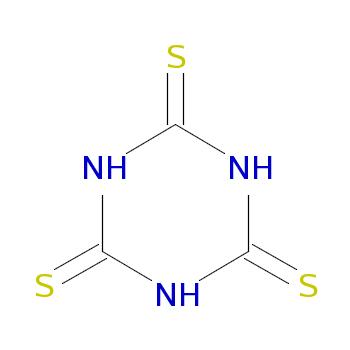 |
|
UUID
|
IUC4-b036ff75-0f3c-323b-b200-ed5f46cf5101
| |
|
Dossier
UUID |
0
| |
|
Author
|
XML
Transformation V4.0 Plug-In | |
|
Date
|
2011-06-23
11:55:01 JST | |
|
Remarks
|
Successfully
migrated to IUCLID 5.5 format. |
|
Legal
entity name |
National Institute of
Health Sciences |
|
Flags |
IT system |
ID |
Remarks |
|
LEO |
10767 |
||
|
IUCLID4 |
16558402024DIV750
|
|
Address
|
1-18-1 kamiyoga
|
|
Address
|
Setagaya-ku
|
|
Postal
code |
158-8501 |
|
Town
|
Tokyo |
|
Country
|
Japan
|
|
Organisation
|
National Institute of
Health Sciences |
|
Department
|
Division of Risk
Assessment |
|
Title
|
Dr. |
|
First
name |
Akihiko |
|
Last
name |
Hirose |
|
Address
|
1-18-1 Kamiyoga
|
|
Address
|
Setagaya-ku
|
|
Postal
code |
158-8501 |
|
Town
|
Tokyo |
|
Country
|
Japan
|